
AI-DRIVEN EDUCATIONAL INTERVENTIONS IN INDIA TO AUGMENT THE LEARNING PROCESS
DOI:
#10.25215/9358094575.07Abstract
This study investigates the nature, advantages, and disadvantages of Artificial Intelligence (AI), as well as its diverse applications in education. Using a qualitative approach, the research explores the implementation of AI, drawing conclusions from a review of literature and various studies. The findings shed light on the multifaceted nature of AI, encompassing machine learning, deep learning, and natural language processing, and its potential to revolutionize educational paradigms. Moreover, the study delves into the types of AI, including reactive machines, limited memory machines, theory of mind machines, and self-aware machines, highlighting their capabilities and limitations. Additionally, it examines the advantages of AI in enhancing efficiency, productivity, and safety across industries, alongside the ethical and societal challenges it poses, such as job displacement, privacy concerns, and algorithmic bias. Furthermore, the research explores AI's extensive usability in education, elucidating its role in adaptive learning, assistive technology, data analytics, and overall school management. It also discusses AI's potential to promote inclusion and individualized learning experiences, ensuring equal educational opportunities for all students. In conclusion, the study provides insights into harnessing AI's augmented potential while mitigating its associated risks, fostering a more equitable and effective educational environment.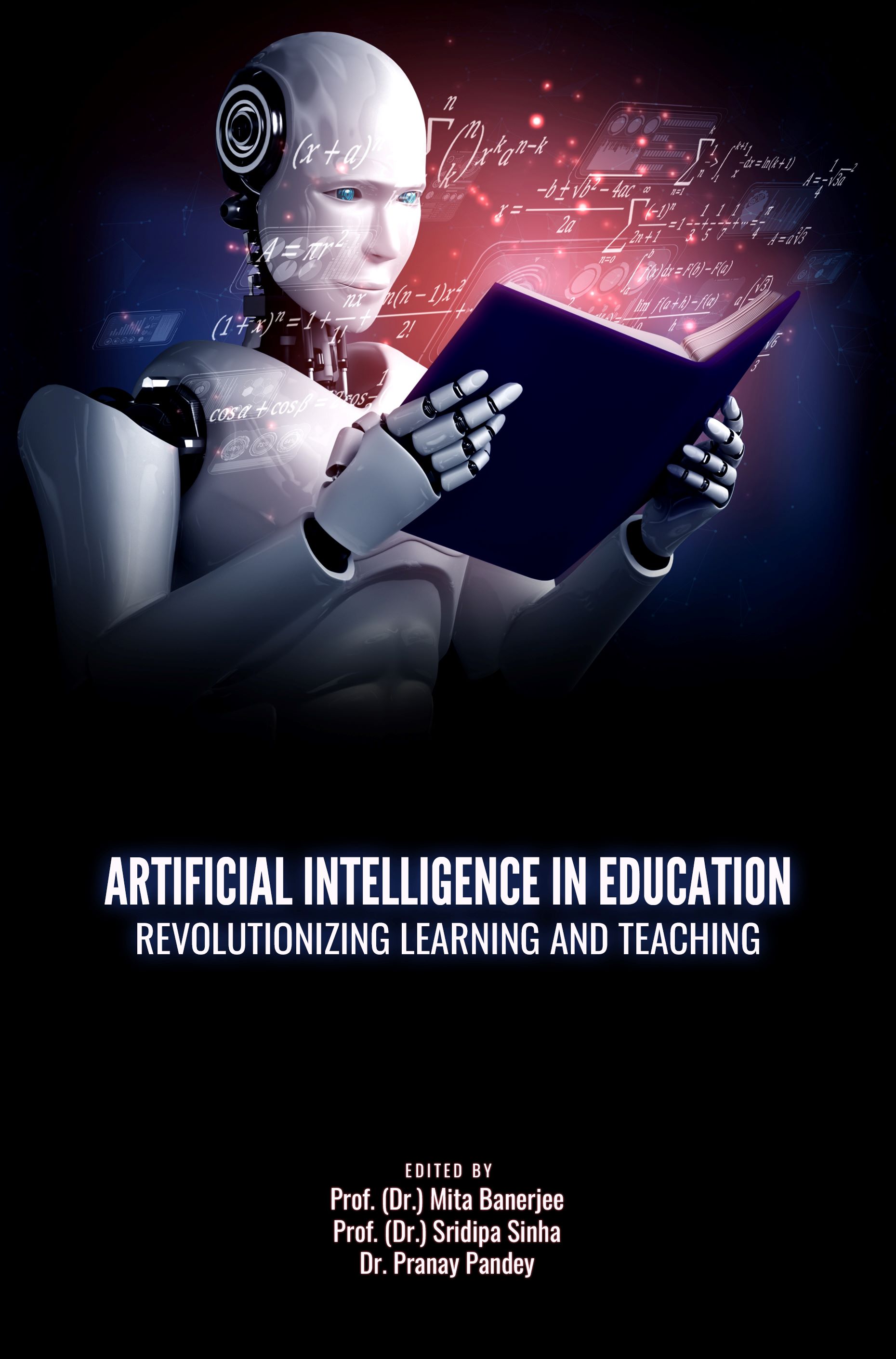
Published
2024-07-20
How to Cite
Ranjini Ghosh. (2024). AI-DRIVEN EDUCATIONAL INTERVENTIONS IN INDIA TO AUGMENT THE LEARNING PROCESS. Redshine Archive, 14(7). https://doi.org/10.25215/9358094575.07
Issue
Section
Articles