
ACCESSIBILITY AND INCLUSION OF ARTIFICIAL INTELLIGENCE IN EDUCATION
DOI:
#10.25215/9358094575.18Abstract
This chapter explores the integration of artificial intelligence (AI) into educational settings to enhance accessibility and inclusion for diverse learners. It examines the principles of accessibility and inclusion in education and discusses the role of AI technologies in addressing challenges and promoting inclusive practices. Various AI tools and technologies are explored, including speech recognition systems, adaptive learning platforms, virtual reality, and intelligent tutoring systems, highlighting their potential to personalize learning experiences and support students with disabilities and diverse learning needs. The chapter also discusses challenges and ethical considerations associated with AI implementation in education and provides case studies and examples of AI initiatives aimed at promoting accessibility and inclusion. Finally, it offers insights into the future of AI in inclusive education and emphasizes the importance of designing AI technologies with a focus on equity, transparency, and accountability.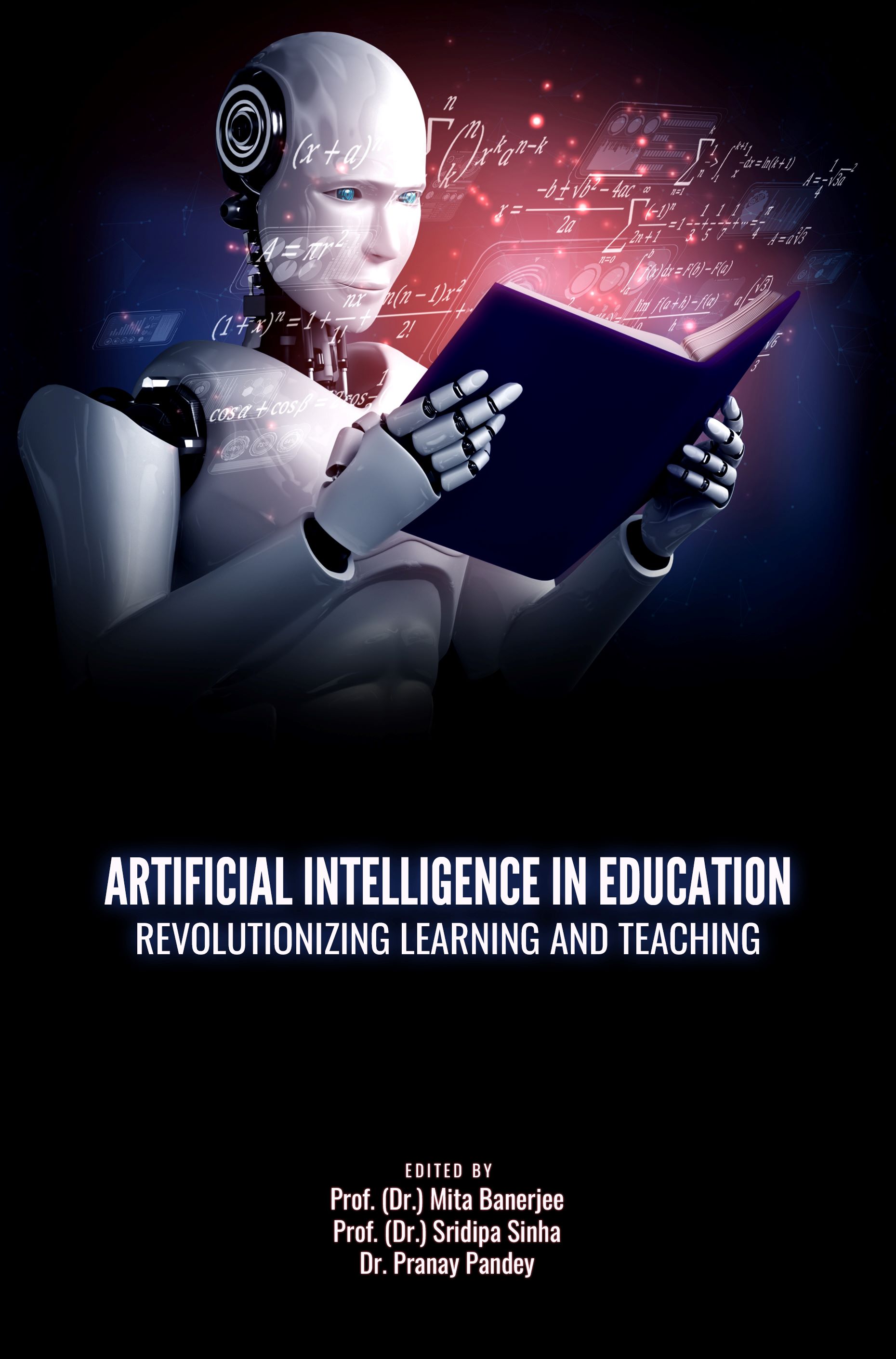
Published
2024-07-20
How to Cite
Plabani Roy. (2024). ACCESSIBILITY AND INCLUSION OF ARTIFICIAL INTELLIGENCE IN EDUCATION. Redshine Archive, 14(7). https://doi.org/10.25215/9358094575.18
Issue
Section
Articles